

Understanding Summer Tires
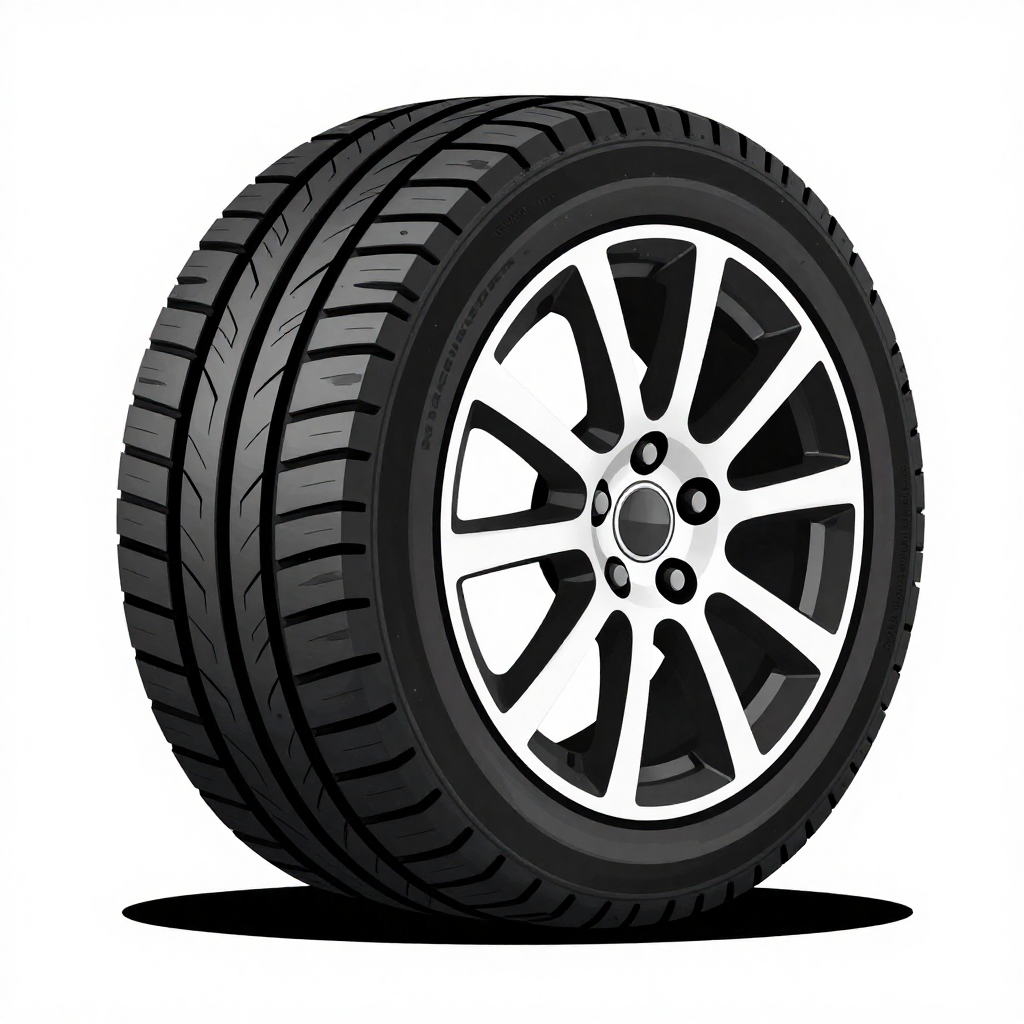
Summer tires are designed for optimal performance in warm weather conditions. Unlike winter tires or all-season tires, summer tires use a harder rubber compound that provides excellent grip on dry and wet roads when temperatures are above 7°C. These tires deliver superior handling, shorter braking distances, and better fuel efficiency compared to winter tires in warm weather.
Why Use Summer Tires?
Summer tires outperform both winter tires and all-season tires in warm conditions. The specialized rubber compound in summer tires maintains optimal flexibility at higher temperatures, providing better cornering grip and responsiveness. Using winter tires in summer causes rapid wear and poor fuel economy, while all-season tires compromise summer performance. Dedicated summer tires give you the best driving experience from spring through fall.
When to Switch to Summer Tires
Switch from winter tires to summer tires when temperatures consistently stay above 7°C, typically in April or May. Don't wait too long - using winter tires in warm weather is dangerous as they become too soft. Store your winter tires properly and install summer tires for the warm season. In autumn, switch back to winter tires before temperatures drop. Never use summer tires in winter - they become hard and lose grip below 7°C.
Summer Tires vs. All-Season Tires
- Summer tires: Best warm-weather grip, performance, and fuel efficiency
- All-season tires: Convenient but compromise summer performance
- Winter tires: Essential for winter, dangerous in summer heat
- Summer tires provide 20-30% better summer performance than all-season tires
- Dedicated summer and winter tires outlast all-season tires overall
Choosing Quality Summer Tires
When selecting summer tires, consider your driving style and vehicle type. Performance summer tires offer exceptional handling for sports cars, while touring summer tires prioritize comfort and longevity. Check the EU tire label for wet grip, fuel efficiency, and noise ratings. Quality summer tires from reputable brands provide better value than budget all-season tires. Always replace all four tires together for balanced performance.
Maintaining Summer Tires
Proper maintenance extends the life of your summer tires. Check tire pressure monthly as warm weather affects pressure. Rotate tires every 8,000-10,000 km for even wear. When switching to winter tires, store your summer tires in a cool, dry place away from sunlight. Clean tires before storage to prevent rubber degradation. Well-maintained summer tires can last 4-5 seasons, providing excellent value compared to replacing worn all-season tires.
Read more about tire options: our winter tires guide, our all-season tires comparison, or our guide to seasonal tire changes.
Shop quality summer tires at Fastparts. We stock premium brands with competitive pricing and fast delivery. Get the best performance from your vehicle with proper seasonal tires.